
What is a Sewage Treatment Plant (STP)?
A Sewage Treatment Plant (STP) is a system that cleans and treats wastewater from homes, commercial buildings, and industries before releasing it back into the environment or reusing it.
STPs remove solid waste, harmful pollutants, pathogens, chemicals, and organic matter — ensuring that water does not harm people or the ecosystem.
An STP is a city’s invisible protector, preventing pollution, disease, and water scarcity.
Weensure every drop is treated responsibly and sustainably From residential complexes to industries and municipalities,
How can we help you Today?
Why Does Sewage Generate?
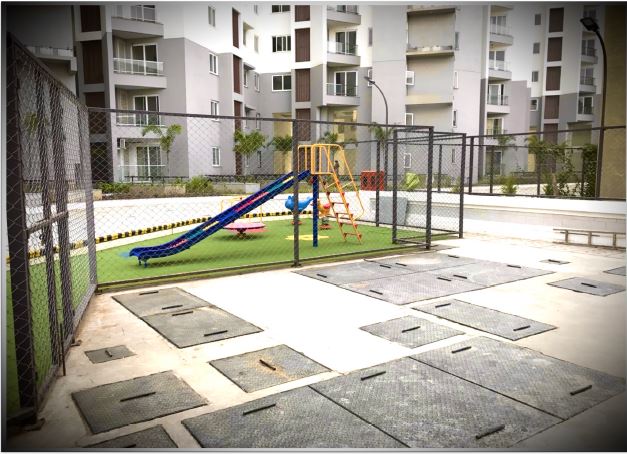
Sewage is created as a natural result of daily human and industrial activities. Every time we flush, clean, wash, cook, or operate machinery, wastewater is produced.
Major reasons sewage is generated:
-
Increasing urbanization and population density
-
Water use in households, toilets, kitchens, and showers
-
Industrial water consumption for cooling, washing, and processing
-
Waste discharge from commercial establishments
-
Stormwater mixing with drains during rainfall
As communities grow, the amount of wastewater generated increases — making efficient sewage treatment essential.
Major Sources of Sewage Generation
🏠 Residential / Household Wastewater
- Bathroom & toilet discharge
- Kitchen and dishwashing wastewater
- Laundry wastewater, detergents & cleaning chemicals
🏢 Commercial Establishments
- Hotels, restaurants, malls, hospitals
- Food waste, grease, cleaning agents, medical contaminants
🏭 Industrial Units
- Wash water, process water, sediments
- Chemical residues, dyes, oils & grease
🌱 Agricultural & Stormwater
- Pesticides, fertilizers, silt & animal waste
- Rainwater carrying dirt, plastic, and pollutants
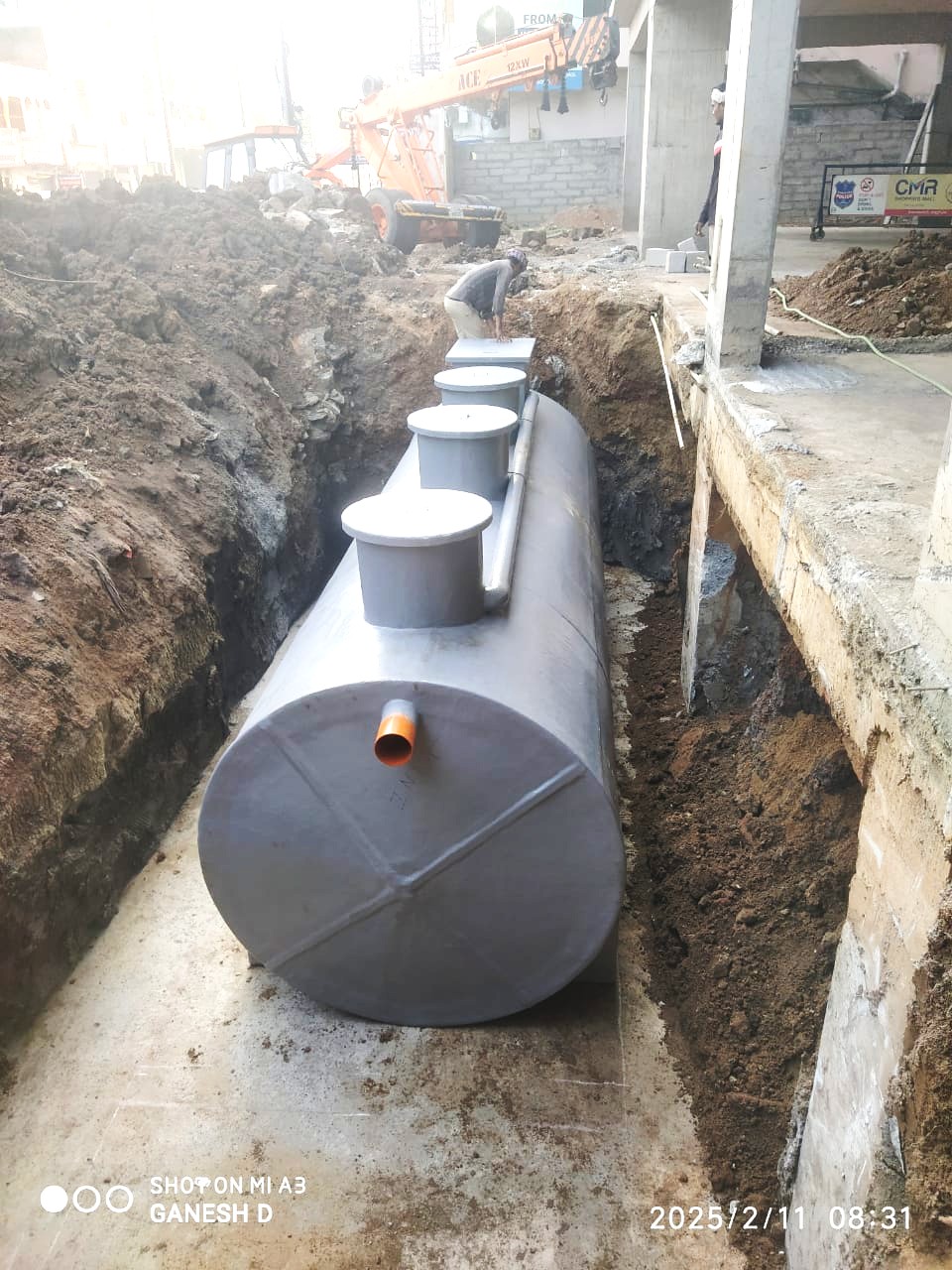
Hazardous Contents Found in Untreated Water
If not treated properly, this water can spread disease, damage ecosystems, corrode equipment, and make fresh water unsafe for human or industrial use.
How can we help you Today?
Hazardous Contents Found in Untreated Water
If not treated properly, this water can spread disease, damage ecosystems, corrode equipment, and make fresh water unsafe for human or industrial use.

Brief Process
Screening – Removes coarse solids
Anaerobic Settling Chamber – Settles solids & initiates digestion
Anaerobic Filter – Reduces organic load using media
Aerobic Reactor – High-efficiency biological treatment
Secondary Clarification – Separates biomass
Disinfection – Removes pathogens
Reuse / Discharge – Safe, compliant treated water
Our Approach
✔ Detailed water analysis (NABL-certified)
✔ Technology selection based on raw water quality
✔ Energy-efficient, automated systems
✔ Low maintenance & long service life
✔ Full engineering, installation & AMC support
We ensure safe, compliant, and high-quality water for every requirement.
Why
Choose Us
-
ISO 9001, 14001 & 45001 certified
-
NABL-accredited water testing laboratory
-
Customized WTP solutions for all sectors
-
Low O&M cost, reliable and durable systems
-
Advanced technology + field expertise
-
Pan-India delivery, installation & AMC
Join Our Happy Customers
We have worked with PSUs, large-scale industries, and emerging startups alike.
Our team brings deep domain expertise, technical precision, and a commitment to excellence.
We help organizations achieve their goals through dedicated service, sustainable solutions, and trusted experience.